Mental Health Counselor Serving Clients throughout South Carolina via Telehealth

Tag: Gratitude

From Survival to Expansion: How Mindfulness Heals the Trauma-Shaped Brain

Trauma leaves an imprint far deeper than memory. It rewires the brain’s alarm system, keeping the body on high alert long after the danger has passed. The amygdala, our inner smoke alarm, becomes quick to flare; the prefrontal cortex, the part that helps us pause, reflect, and choose, can grow quiet. Our window of tolerance — that precious space where we can meet life without being swept away — begins to narrow. In time, trauma can even thin the grey matter in our brain, quietly altering the very structures that support memory, empathy, and emotional regulation.

And yet, the brain is a living, breathing work of art — capable of growth, repair, and renewal. Mindfulness is one of the ways we invite this renewal in. When we pause to notice our breath, scan the body, or greet our thoughts with gentle curiosity, we send signals of safety to the nervous system. Science shows that these moments of presence can help grow grey matter in areas linked to memory and self-awareness, while softening the brain’s overactive alarm. In this way, mindfulness slowly widens our window of tolerance, giving us more space to meet life’s waves without being pulled under.

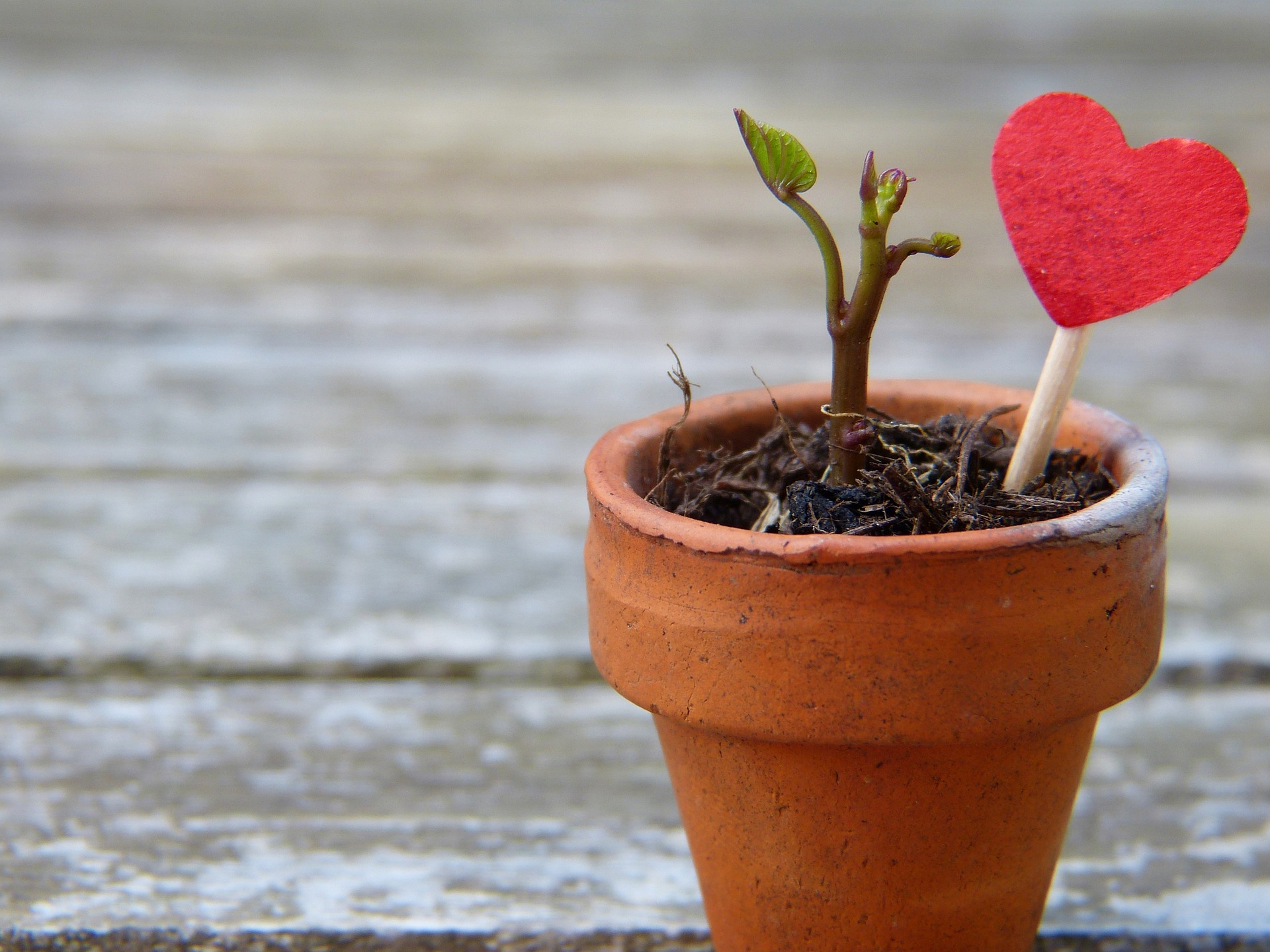
Mindfulness is not the absence of struggle — it’s the presence of ourselves within it. Each time we return to the moment, we plant a seed for resilience. Over time, these seeds take root, shaping a brain that can hold both joy and pain without breaking. This is the quiet, steady alchemy of healing: turning vigilance into trust, contraction into expansion, and survival into a deeper, more grounded way of living.

Nourish to Heal: How Mindful Eating Supports Mental Health and Inner Healing

Food is more than fuel—it’s a relationship. For many of us, that relationship is complicated, tangled up in habits, guilt, or emotional eating. Mindful eating offers a way to reconnect with food as a source of nourishment, pleasure, and healing. It’s the practice of slowing down, tuning into your body, and engaging your senses during meals. By eating with awareness—without screens, distractions, or shame—we begin to understand what our body truly wants and needs. This gentle awareness can calm anxiety, reduce binge patterns, and bring a sense of groundedness to everyday life.

Practicing mindful eating doesn’t require a special diet or rigid rules. It starts with simple shifts: pausing before a meal to take a deep breath, noticing the colors and textures of your food, chewing slowly, and checking in with how your body feels. Are you truly hungry? Are you full? What flavors are you experiencing? These small acts of presence help restore trust in your body’s signals—something many of us lost through childhood conditioning or chronic dieting. Over time, mindful eating becomes a form of deep listening, a way of honoring your needs instead of ignoring or overriding them.

This is where mindful eating becomes powerful self-care—and even reparenting. When we offer ourselves kindness, patience, and attention at the table, we’re giving our inner child the nurturing many of us never received. Instead of rushing through meals or eating out of stress, we slow down and say, “You matter. You deserve to be cared for.” It’s a healing act that goes far beyond nutrition. Mindful eating teaches us that we are worthy of presence and pleasure, helping to rebuild a sense of safety and self-love—one bite at a time.

3 Keys to Happiness in Daily Life

It doesn’t take a whole new routine to instill a dose of happiness into your day—but it does take a little self awareness.

1. Be grateful for the good & the bad.

Research shows, grateful people are happy people. It’s also important to understand that happiness is not the absence of negative feelings. Gratitude is a focus on the present and appreciation for what we have now, rather than wanting more. Embracing gratitude, as a state of mind, can have a positive affect on all aspects of life including our happiness and overall satisfaction.

Up your mood by taking a moment daily to think of your world with gratitude. Start a gratitude journal or take a walk in nature paying attention to all the gifts around us. Think of a person that helps you on a daily or weekly basis – a spouse, parent, friend, pet, teacher, cleaner, or babysitter.

Quiz: How grateful are you? Take the Gratitude Quiz published by the Greater Good Science Center at UC Berkeley.

2. Flex your creativity muscles.

Do you have a passion or hobby? It doesn’t have to be a formal activity, simply engaging in creative thinking can enhance well-being by enhancing cognitive flexibility and problem-solving abilities. A recent study out of New Zealand, published in The Journal of Positive Psychology explains that creative activities can trigger an “upward spiral” of well-being.

“Practicing an art — no matter how well or badly — is a way to make your soul grow. So do it.” – Kurt Vonnegut.

Make some space in your day to create, even if it’s just for the sake of it. Try exploring unique textures or even natural and recycled materials to make something for your home or a friend. Looking for some tips on how to add more creativity into your daily life? Read this list of 101 creative habits to explore.

3. Get connected, Stay connected.

Being apart of something larger than yourself can help bring perspective as well as a sense of belonging. Scientific evidence strongly suggests that feeling like you belong and generally feel close to other people is a core psychological need; essential to feeling satisfied with your life. The pleasures of social life register in our brains much the same way physical pleasure does.

So take the time to nurture a friendship that is important to you. Make an extra effort to show you care, send a card, make a plan to have lunch, or give them a call and really listen to what they say. Smile and say hello to a stranger. Tell a story when someone asks how your day is going. Notice how you feel when you share something with someone new.

Struggling and need support? Join a support group and talk to others that can relate. Find your tribe: support.therapytribe.com – a free online support community brought to you by TherapyTribe.

TherapyTribe - Wellness Tracker Tip: Check out the wellness tracker. It’s a simple but powerful tool designed to help you remember the promises you make to yourself. As you complete wellness activities your tree will blossom, and so will you!

Sidebar