Trauma leaves an imprint far deeper than memory. It rewires the brain’s alarm system, keeping the body on high alert long after the danger has passed. The amygdala, our inner smoke alarm, becomes quick to flare; the prefrontal cortex, the part that helps us pause, reflect, and choose, can grow quiet. Our window of tolerance — that precious space where we can meet life without being swept away — begins to narrow. In time, trauma can even thin the grey matter in our brain, quietly altering the very structures that support memory, empathy, and emotional regulation.
And yet, the brain is a living, breathing work of art — capable of growth, repair, and renewal. Mindfulness is one of the ways we invite this renewal in. When we pause to notice our breath, scan the body, or greet our thoughts with gentle curiosity, we send signals of safety to the nervous system. Science shows that these moments of presence can help grow grey matter in areas linked to memory and self-awareness, while softening the brain’s overactive alarm. In this way, mindfulness slowly widens our window of tolerance, giving us more space to meet life’s waves without being pulled under.
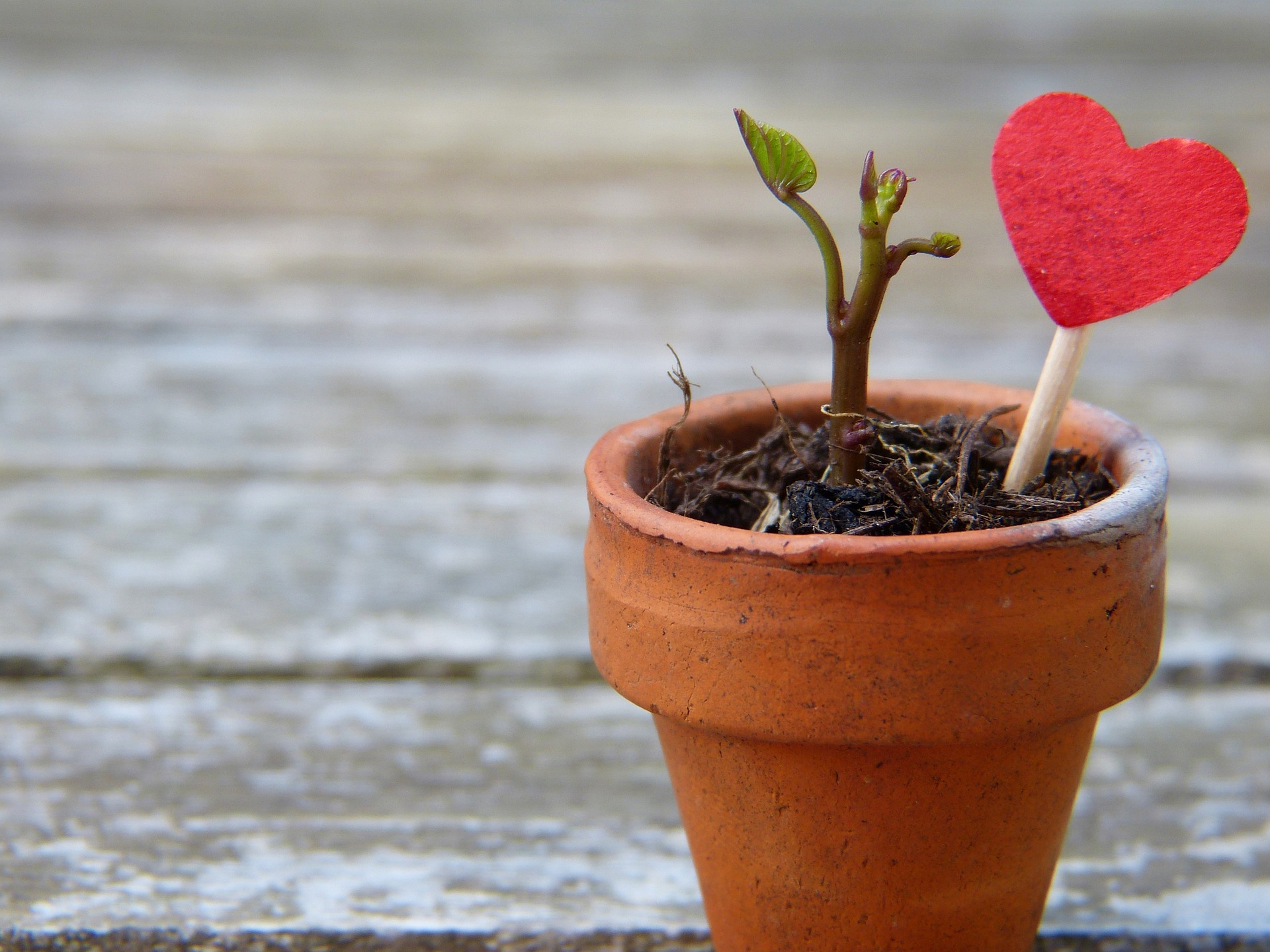
Mindfulness is not the absence of struggle — it’s the presence of ourselves within it. Each time we return to the moment, we plant a seed for resilience. Over time, these seeds take root, shaping a brain that can hold both joy and pain without breaking. This is the quiet, steady alchemy of healing: turning vigilance into trust, contraction into expansion, and survival into a deeper, more grounded way of living.